

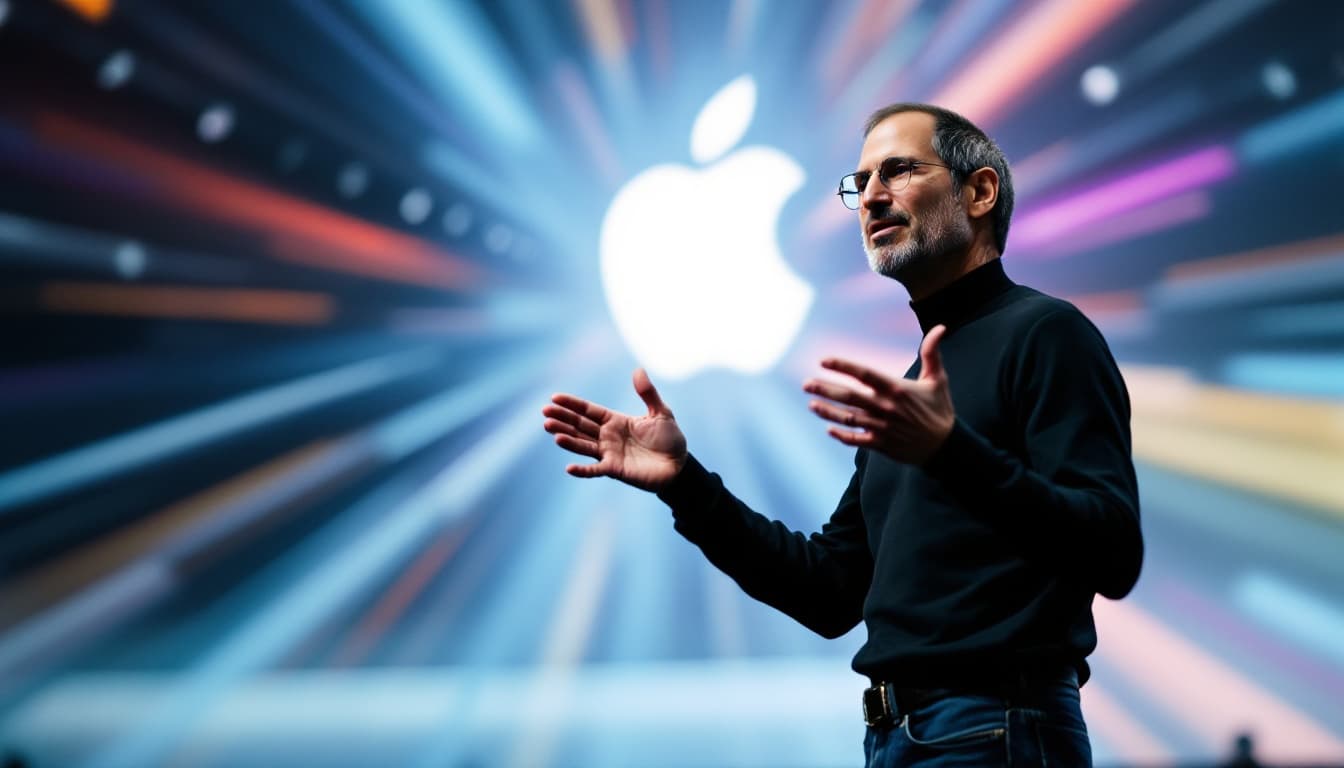
"Stay hungry, stay foolish." These words didn't just define Apple—they defined Steve Jobs, the man who dared to revolutionize not one, but six industries: personal computers, phones, music, tablets, digital animation, and publishing.
💡 In this definitive guide, you'll discover:
🚀 How a college dropout built the world's first trillion-dollar company
💡 7 groundbreaking innovations that transformed technology forever
👔 Leadership principles that drove 9,000% stock price increase
🎯 The untold story behind Apple's most iconic products
💼 Actionable lessons every founder can apply today
Did you know that Jobs filed over 300 patents and turned a nearly bankrupt Apple into a company worth $2.5 trillion?
But here's what most startup founders don't know: behind every revolutionary product was a series of fascinating failures.
From being fired from his own company to facing near-death experiences, Jobs' journey is more than just a success story—it's the ultimate startup survival guide.
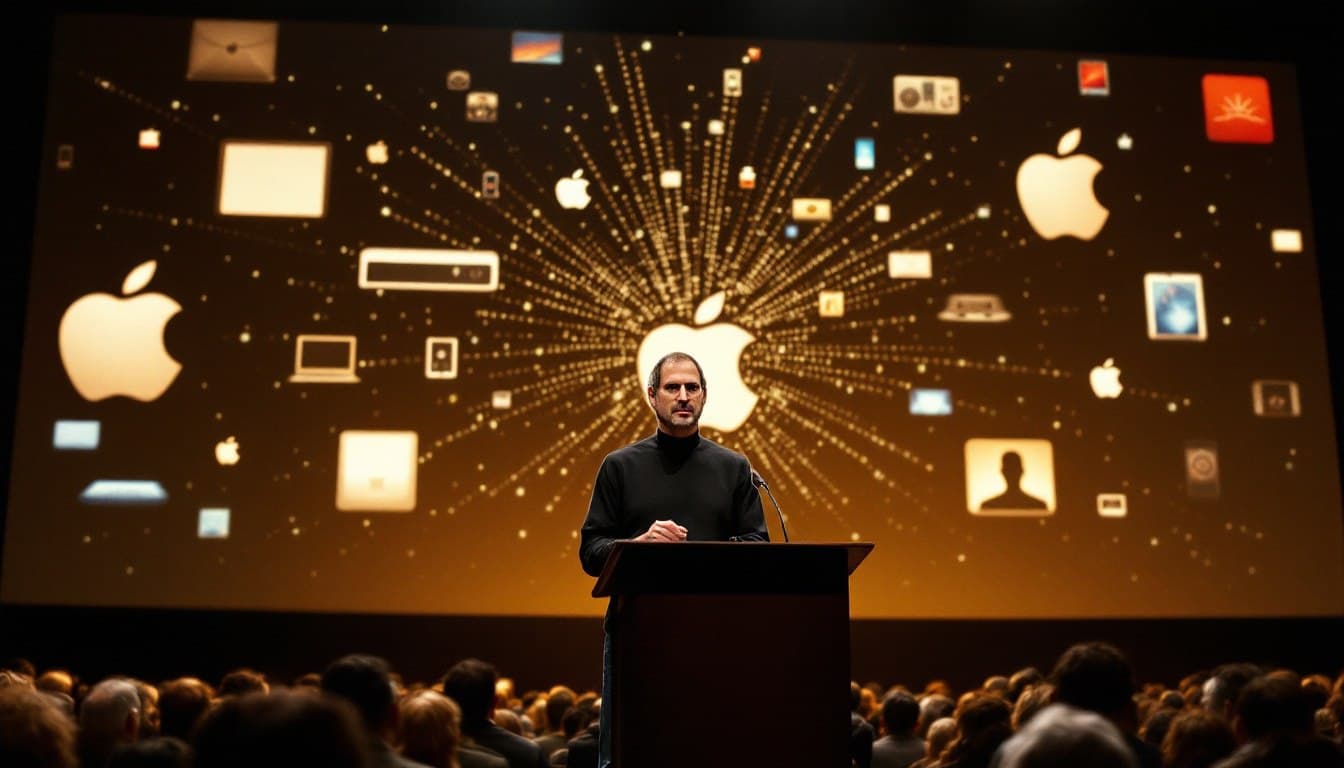
Ready to discover how a barefoot college dropout in a garage became the mastermind behind the world's most valuable tech empire? Let's dive in.
Early Life: The Making of a Visionary (1955-1976)
Every founder's story has a beginning. For Jobs, it started with rejection—and then magic.
Born in San Francisco and put up for adoption, Jobs was taken in by Paul and Clara Jobs. Paul, a machinist, would later unknowingly spark a revolution by teaching young Steve how to take apart and rebuild electronics in their garage.
💡 Founder Lesson #1: > Your biggest disadvantage today could become your greatest advantage tomorrow. Jobs' adoption placed him exactly where he needed to be—in Silicon Valley, with parents who nurtured his curiosity.
The Silicon Valley Advantage
Growing up in Mountain View, California (now the heart of Silicon Valley), Jobs was surrounded by tech pioneers. By age 13, he cold-called Bill Hewlett (of HP) asking for parts. The result? A summer job that would shape his future.
Key early influences:
- Electronics workshops with his father
- HP's founder Bill Hewlett becoming an early mentor
- Meeting Steve Wozniak, his future co-founder
- Exposure to Silicon Valley's emerging tech culture
The Dropout Who Changed Everything
In 1972, Jobs enrolled at Reed College—one of America's most expensive schools. He dropped out after one semester, but stayed on campus auditing classes. One of these classes? Calligraphy.
"If I had never dropped in on that single calligraphy course in college, the Mac would have never had multiple typefaces or proportionally spaced fonts."
This period shaped Jobs' philosophy on:
- Design aesthetics
- User experience
- The intersection of technology and liberal arts
The Birth of Apple (1976-1985): From Garage to Glory
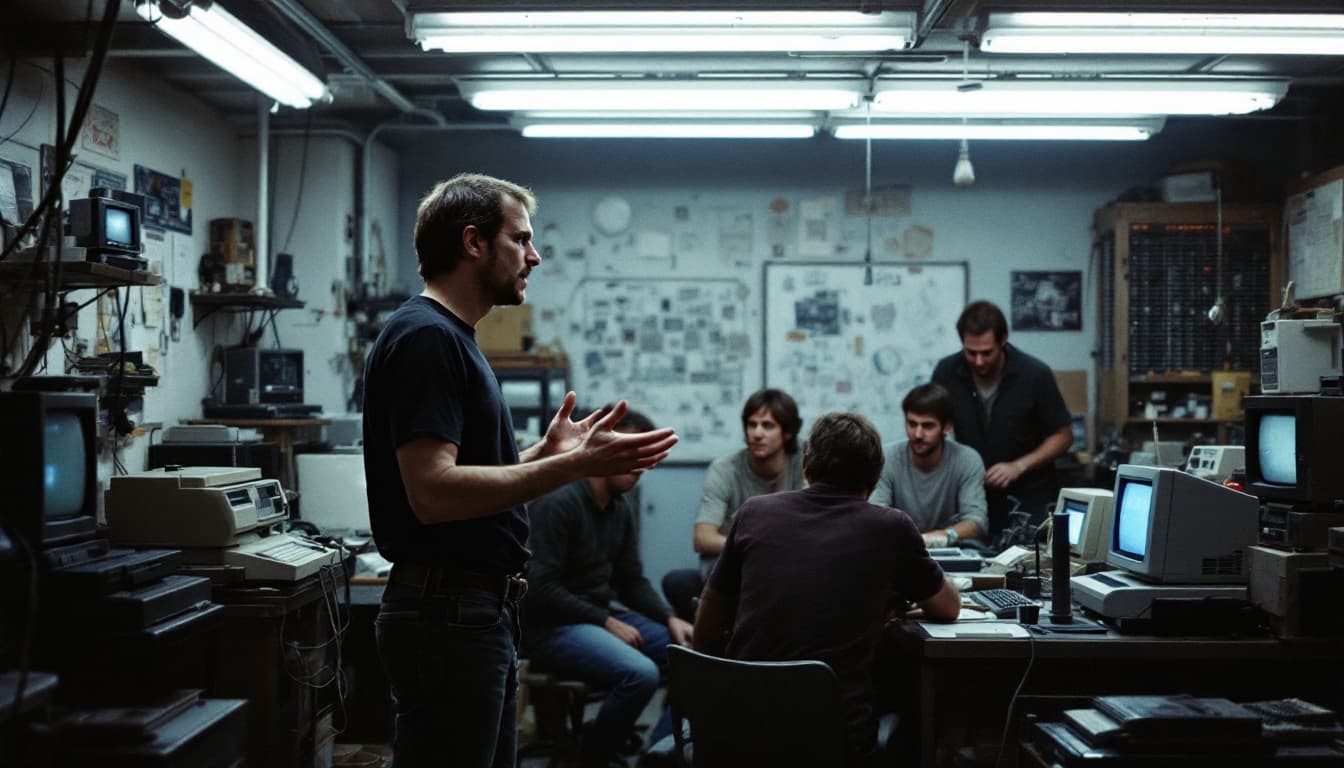
April 1, 1976: Apple Computer Company is born in Jobs' garage. Initial investment? $1,350.
💡 Startup Metrics: - 📈 Apple I sales: 200 units - 💰 Price per unit: $666.66 - 🚀 First year revenue: ~$175,000 - 💼 Initial team size: 2 (Jobs and Wozniak)
The First Big Break
The Apple I was revolutionary, but the Apple II changed everything. Here's why:
- First mass-market computer with color graphics
- VisiCalc—the first killer app for personal computers
- Generated $47 million in revenue by 1979
- Created an entirely new market category
The IPO That Changed Silicon Valley
December 12, 1980: Apple goes public at $22 per share. By end of day one, Jobs' net worth? $217 million.
But success came with challenges:
- Internal power struggles
- Competition from IBM
- Pressure from shareholders
- The infamous Xerox PARC visit that inspired the Macintosh
The Macintosh Era
January 24, 1984: Jobs introduces the Macintosh with the legendary "1984" Super Bowl commercial.
💡 Marketing Lesson: The "1984" ad cost $1.5 million and ran only once. Yet it's still discussed today—proving that one bold move can create decades of brand value.
But then came the fall...
The Wilderness Years (1985-1997): The Best Worst Thing
May 1985: Jobs is forced out of Apple. For most founders, this would be the end. For Jobs, it was just the beginning.
NeXT: The $7 Billion Failure
Jobs invested $7 million of his own money to start NeXT Computer. The company never achieved commercial success, but:
- Developed technology that would become macOS
- Created the framework that powered the first web browser
- Built a team that would later transform Apple
- Eventually sold to Apple for $429 million
The Pixar Revolution
1986: Jobs buys Pixar from George Lucas for $5 million. By 2006, Disney would acquire it for $7.4 billion.
Key success factors:
- Patient capital investment
- Focus on technology AND storytelling
- Strategic partnerships
- Perfect timing in market
The Second Coming: Apple's Resurrection (1997-2011)
When Jobs returned to Apple in 1997, the company was 90 days from bankruptcy. What followed was the greatest corporate turnaround in history.
The Turnaround Strategy
-
Product Focus
- Cut product line from 350 to 10
- Introduced the revolutionary iMac
- Focused on premium positioning
-
Retail Innovation
- Launched Apple Stores despite criticism
- Created Genius Bar concept
- Highest retail sales per square foot in history
-
Digital Hub Strategy
- iPod + iTunes (2001)
- iPhone (2007)
- iPad (2010)
💡 Founder Insight: > Jobs didn't just create products—he created ecosystems. The iPod wasn't just a music player; it was part of a carefully crafted ecosystem including iTunes, the iTunes Store, and proprietary accessories.
The iPhone Revolution
2007: Jobs announces the iPhone, declaring: "We're going to reinvent the phone."
Results:
- 270,000 units sold in first 30 hours
- Created the modern smartphone category
- Transformed Apple into a mobile company
- Generated over $1 trillion in revenue to date
Leadership Principles for Modern Founders
Jobs' management style was controversial but effective. Here are the key principles:
1. The Reality Distortion Field
- Set impossible deadlines
- Push beyond perceived limitations
- Create belief in the mission
- Never accept "it can't be done"
2. Product Excellence
- Obsess over details
- Focus on user experience
- Eliminate unnecessary features
- Make it "insanely great"
3. Marketing Mastery
- Tell compelling stories
- Create memorable moments
- Focus on emotions, not specs
- Build anticipation
4. Strategic Focus
- Say "no" to 1000 things
- Vertical integration
- Premium positioning
- Long-term thinking
The Legacy Continues
Jobs passed away on October 5, 2011, but his influence on technology and business continues to grow.
💡 Apple Today: - 📱 Market cap: $2.5+ trillion - 💰 Annual revenue: $365+ billion - 👥 Employees: 154,000+ - 🏢 Products used by 1.8+ billion people
Actionable Takeaways for Founders
-
Focus on Impact
- Think beyond features to user experience
- Solve problems that matter
- Create category-defining products
-
Build Ecosystems
- Look beyond single products
- Create network effects
- Control key experiences
-
Master Storytelling
- Craft compelling narratives
- Create memorable presentations
- Build emotional connections
-
Think Different
- Challenge conventional wisdom
- Focus on innovation
- Never settle for "good enough"
FAQ: Steve Jobs for Founders
Q: What was Jobs' approach to market research? A: Jobs famously said, "People don't know what they want until you show it to them." He focused on anticipating future needs rather than asking customers what they wanted.
Q: How did Jobs handle failure? A: He viewed failure as iteration. NeXT failed commercially but became the foundation for Apple's future success.
Q: What was Jobs' product development philosophy? A: Start with user experience and work backwards to technology. Focus on simplicity and eliminate unnecessary features.
Conclusion: The Jobs Blueprint for Modern Founders
Steve Jobs' journey offers a masterclass in building world-changing companies. His principles of focus, excellence, and innovation are more relevant than ever in today's startup ecosystem.
Remember: Jobs didn't just build products—he created experiences that changed how we live, work, and communicate.
💡 Final Thought: > "Your work is going to fill a large part of your life, and the only way to be truly satisfied is to do what you believe is great work." - Steve Jobs
Ready to build your own legacy? The blueprint is here. The question is: How will you think different?