

Bluesky, a new decentralized social platform similar to Twitter, offers custom feeds, user control & no ads through the AT Protocol. Join the growing community at bsky.app!
In the wake of the 2024 U.S. presidential election, a new social media platform has been making waves and attracting users in the millions.
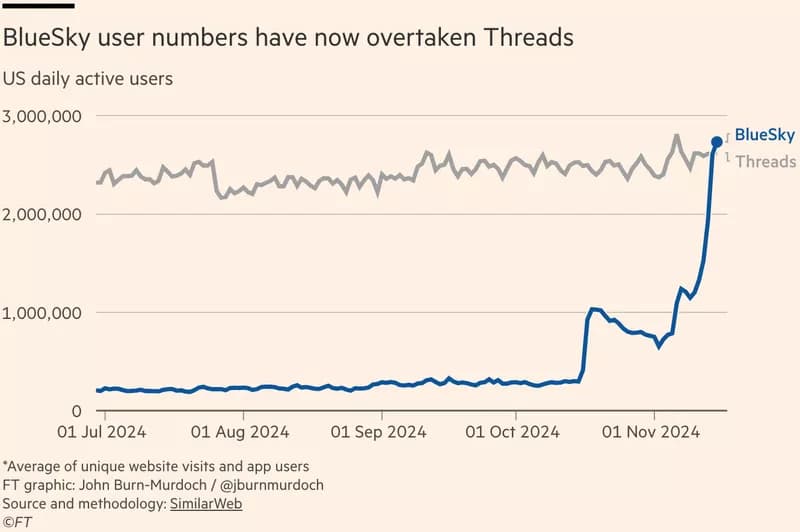
Bluesky, a Twitter-like social network, has seen explosive growth, surpassing 20 million users in November 2024.
This surge in popularity comes as many users seek alternatives to Elon Musk's X (formerly Twitter), particularly following controversial changes to the platform's blocking feature and data usage policies.
Bluesky's roots trace back to 2019 when it was conceptualized by former Twitter CEO Jack Dorsey as a decentralized social media project. Now an independent entity, Bluesky has emerged as a serious contender in the social media landscape, attracting high-profile users and offering a unique approach to online communication.
As Bluesky continues to gain traction, many are wondering: What exactly is this platform, and should they join? We’ll explore Bluesky's features, technology, and potential impact on the future of social media. By the way, I’m on Bluesky as *@il.ly!
What Exactly is Bluesky?
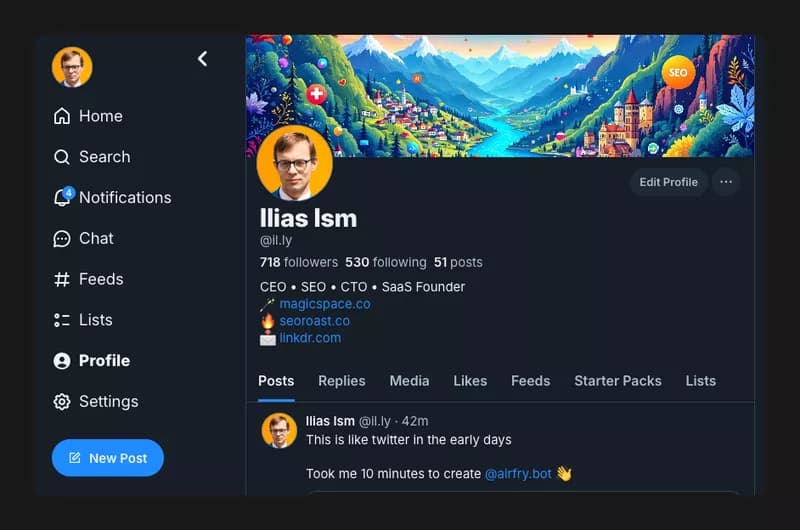
At its core, Bluesky is a microblogging social networking service that bears a striking resemblance to Twitter/X. Users can share short posts of up to 300 characters, along with images and videos. The platform is accessible via iOS and Android apps, as well as through web browsers at bsky.app.
Bluesky began life in 2019 as a research initiative within Twitter, spearheaded by Jack Dorsey. However, it has since evolved into an independent company led by CEO Jay Graber. The platform officially launched to the public in February 2024, after an initial invite-only beta period.
Key features of Bluesky include:
- A Twitter-like user interface with a familiar feel
- The ability to post text, images, and videos
- Reply, repost, and like functionality
- A "Discover" feed for exploring content
- Custom algorithmic feeds (more on this later)
What sets Bluesky apart is its focus on decentralization and user control. The platform is built on an open-source framework called the AT Protocol (Authenticated Transfer Protocol), which aims to create a more open and interoperable social media ecosystem.
Bluesky's mission is to foster a "thriving online commons" that can't be controlled by a single entity. This approach is designed to address many of the concerns users have with traditional, centralized social media platforms.
What Makes Bluesky Different?
While Bluesky may look familiar to Twitter users, it offers several unique features that set it apart from other social networks:
AT Protocol
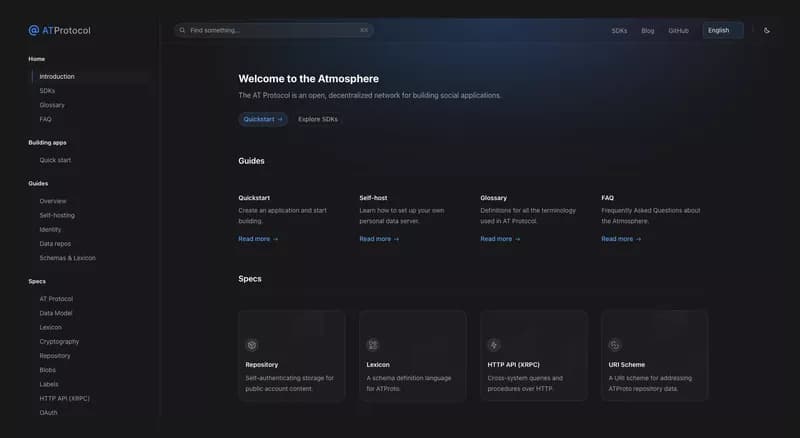
The backbone of Bluesky is the AT Protocol, an open-source, decentralized framework for social networking. This protocol allows for:
- Account portability: Users can move their account between different providers without losing their identity or data
- Algorithmic choice: Users can select from various content curation algorithms
- Interoperability: Different apps and services can potentially interact within the same network
Custom Algorithmic Feeds
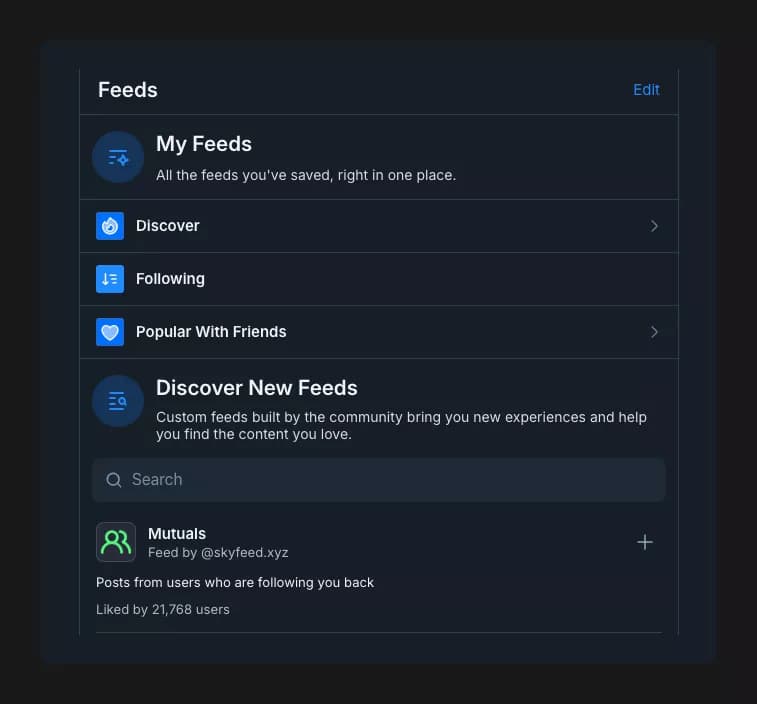
One of Bluesky's standout features is its "marketplace of algorithms". Users can choose from over 40,000 custom feeds, each with its own method of curating and displaying content. This gives users unprecedented control over their social media experience.
Domain-Based Handle System
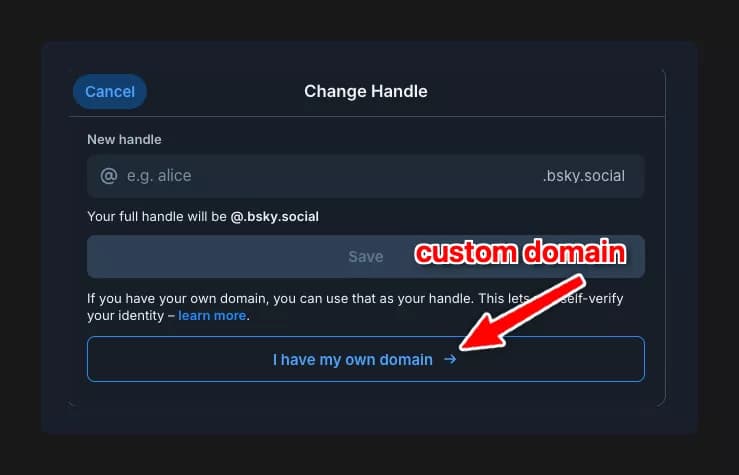
Bluesky offers a unique verification system that allows users to link their account to a custom domain name they own. This provides a way to verify identity without relying on a centralized authority.
Composable Moderation
The platform is developing advanced moderation tools that allow for community-driven content filtering. Users will be able to create and share moderation lists, giving individuals and groups more control over the content they see.
No Advertising
Unlike many social networks, Bluesky has pledged not to rely on advertising for revenue. The company is exploring alternative monetization strategies, including optional paid features.
Developer-Friendly Environment
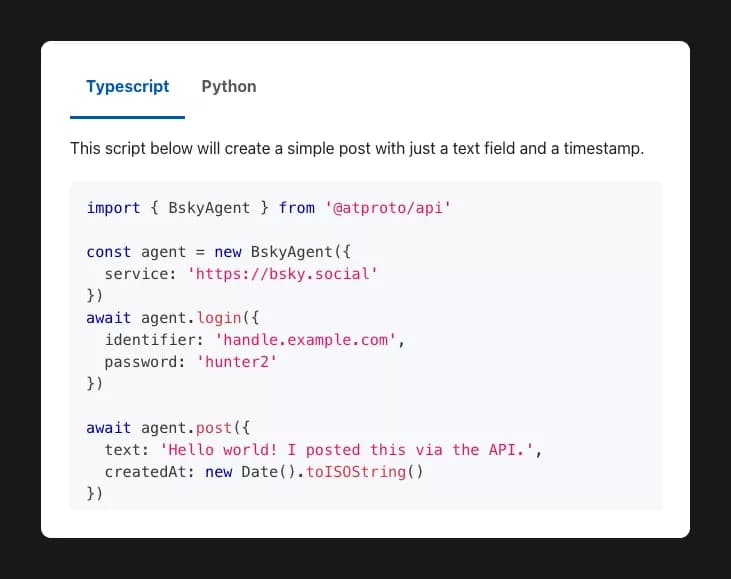
Bluesky encourages third-party development, allowing creators to build bots, custom clients, and other integrations. If you're interested in building at scale, check out our Programmatic SEO Course to learn more about automation.
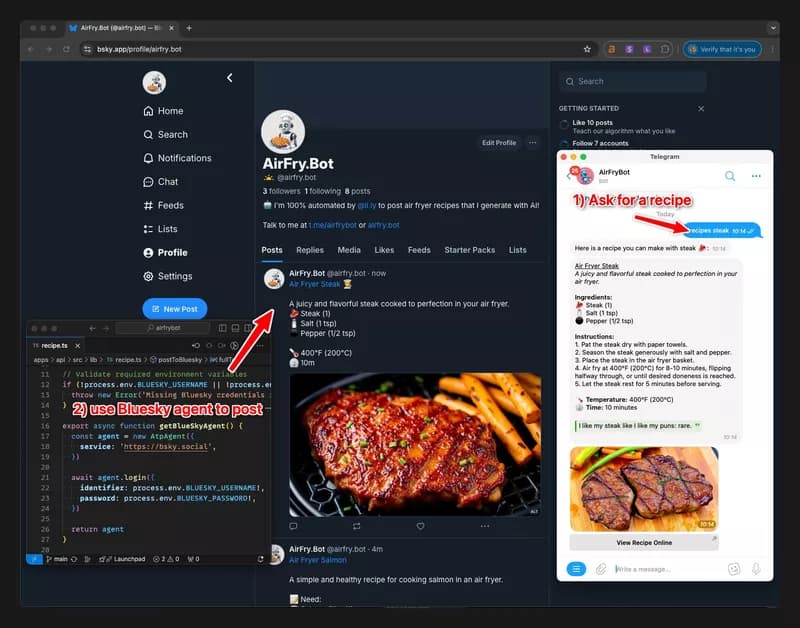
For example, users can create automated accounts like this air fryer recipe bot (AirFry.Bot) I created:
How to Get Started with Bluesky
Getting started with Bluesky is straightforward:
- Visit bsky.app and create an account
- Choose a username (which will appear as @username.bsky.social)
- Set up your profile with a photo and bio
- Start following other users by searching for them or browsing suggested accounts (like me)
- Create your first post (or "skeet" as some users call them, much to the chagrin of CEO Jay Graber)
- Explore custom feeds by tapping the "Discover" tab
Navigation is intuitive for anyone familiar with Twitter. The main feed shows posts from accounts you follow, while the Discover tab helps you find new content and users.
To make the most of Bluesky, experiment with different custom feeds and take advantage of the platform's unique features like domain verification and composable moderation tools.
Bluesky Starter Packs
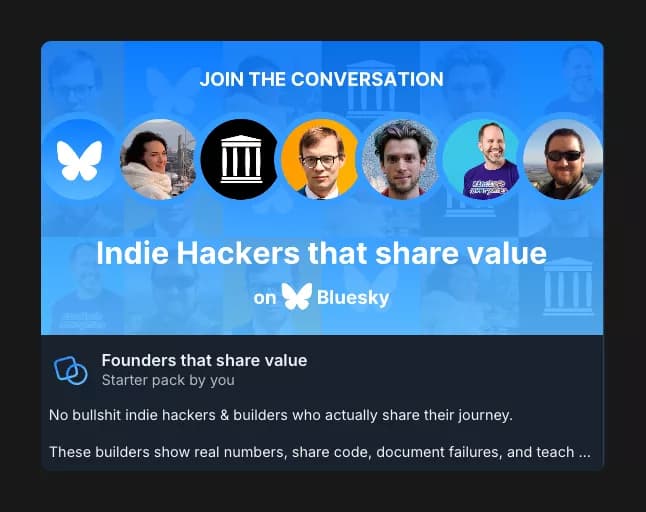
One of Bluesky's innovative features is the concept of "starter packs" – personalized invites that allow users to introduce friends to their own curated slice of the Bluesky experience.
Launched in June 2024, Bluesky starter packs are a unique way to help new users quickly find their community and customize their experience.
Key features of Bluesky Starter Packs include:
- Custom Feeds: Users can recommend algorithmic feeds tailored to specific interests or communities.
- Recommended Follows: Suggest up to 150 accounts for new users to follow.
- Easy Sharing: Each starter pack comes with a shareable link and QR code.
I made a starter pack of founders to follow: go.bsky.app/Miiq9jZ!
How to create a Bluesky starter pack

Starter Packs are created on your profile
To create your own starter pack:
- Navigate to the "Starter Packs" tab on your Bluesky profile.
- Choose to auto-generate a pack or create one from scratch.
- Customize the name, description, recommended users, and feeds.
- Share your pack with friends or on other social platforms.
For example, I've created a starter pack of founders to follow: go.bsky.app/Miiq9jZ
Starter packs are an excellent way for communities, interest groups, or even businesses to create a tailored entry point into the Bluesky ecosystem. They help solve the common problem of "where do I start?" that many users face when joining a new social network.
Bluesky Starter Pack Directory

To discover more starter packs, you can visit BlueskyStarterPack.com, a directory of over 36,000+ curated starter packs. The site makes it easy to:
- Browse featured starter packs from the community
- Search through thousands of packs by interest or topic
- Find and follow amazing accounts based on your interests
- Create and share your own starter packs
For example, you can find starter packs for podcasters, founders, artists, and many other communities. Each pack includes a curated list of recommended accounts and custom feeds to help new users get started quickly.
Bluesky's is Decentralized
Bluesky's decentralized approach is central to its identity. But what does this mean in practice?
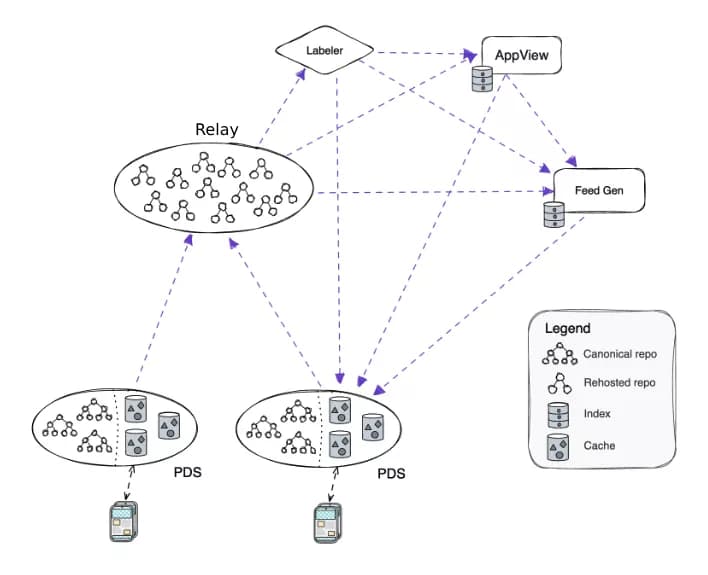
Unlike traditional social networks where all user data and interactions are controlled by a single company, Bluesky uses a federated architecture. This means that the network is made up of multiple, interconnected servers (or "instances") that can communicate with each other.
Key aspects of Bluesky's decentralization:
- Server choice doesn't affect content: Users can see posts from across the entire network, regardless of which server hosts their account
- Account portability: Users can move between servers without losing their identity, followers, or posts
- Open-source protocol: The AT Protocol is open for anyone to inspect, contribute to, or build upon
While this may sound similar to other decentralized networks like Mastodon, there are important differences:
- Bluesky offers a more cohesive, global experience compared to Mastodon's instance-centric approach
- Moderation on Bluesky is not tied to servers but is instead handled through composable tools
- Bluesky's custom feeds allow for more flexible content discovery across the entire network
The benefits of this decentralized approach include increased user privacy, resistance to censorship, and the potential for a more diverse and innovative social media ecosystem.
Who's Behind Bluesky?
Bluesky is structured as a Public Benefit Corporation, which means it can prioritize its mission over pure profit-seeking. Key figures and facts about the company include:
- CEO Jay Graber: A former software engineer for the cryptocurrency Zcash and founder of an event-planning site called Happening
- Board members: Include Jack Dorsey (though he stepped down in May 2024), Jeremie Miller (inventor of Jabber/XMPP), Mike Masnick, and Kinjal Shah
- Funding: Bluesky raised a $15 million Series A round in October 2024, led by Blockchain Capital
Importantly, Bluesky is now completely independent from Twitter/X. The company has no plans to integrate advertising into the platform, instead exploring alternative revenue models like premium features and subscriptions.
Pros and Cons of Using Bluesky
So finally, is it worth it to you to use Bluesky?
Pros:
- Growing, engaged user base
- Potential for innovation through open-source development and writing APIs, bots and mor
- Strong focus on user privacy and data control
- No advertising
- Customizable experience through algorithmic choice
- Powerful moderation tools
Cons:
- Smaller user base compared to established platforms like X or Instagram for now
- Some features still in development
- Technical concepts may be confusing for non-tech-savvy users
- Limited group messaging functionality
- Potential for fragmentation as the network grows
What’s next for Bluesky?
As Bluesky continues to grow, the platform has ambitious plans for the future:
- Further development of the AT Protocol: Enhancing interoperability and account portability
- Expansion of custom feeds and moderation tools: Giving users even more control over their experience
- Building a robust developer ecosystem: Encouraging third-party apps and services
- Exploring decentralized identity solutions: Potentially integrating with blockchain-based systems
Bluesky's growth trajectory has been impressive, but it still faces stiff competition from established players like X and Meta's Threads. However, its unique approach to decentralization and user control could position it as a significant force in shaping the future of social media.
Conclusion
While Bluesky may not yet have the user base of Twitter/X or the backing of a tech giant like Meta's Threads, Bluesky offers a refreshing alternative that puts users first.
Its open-source nature and focus on interoperability could lead to innovations we haven't yet imagined in the social media space.
If you're interested in exploring Bluesky and want to connect with me there, you can follow me @il.ly. I regularly share insights about technology, programming, and the future of social media.
You can also join the conversation about this article and share your thoughts about Bluesky's approach to social networking. Looking forward to connecting with you there!